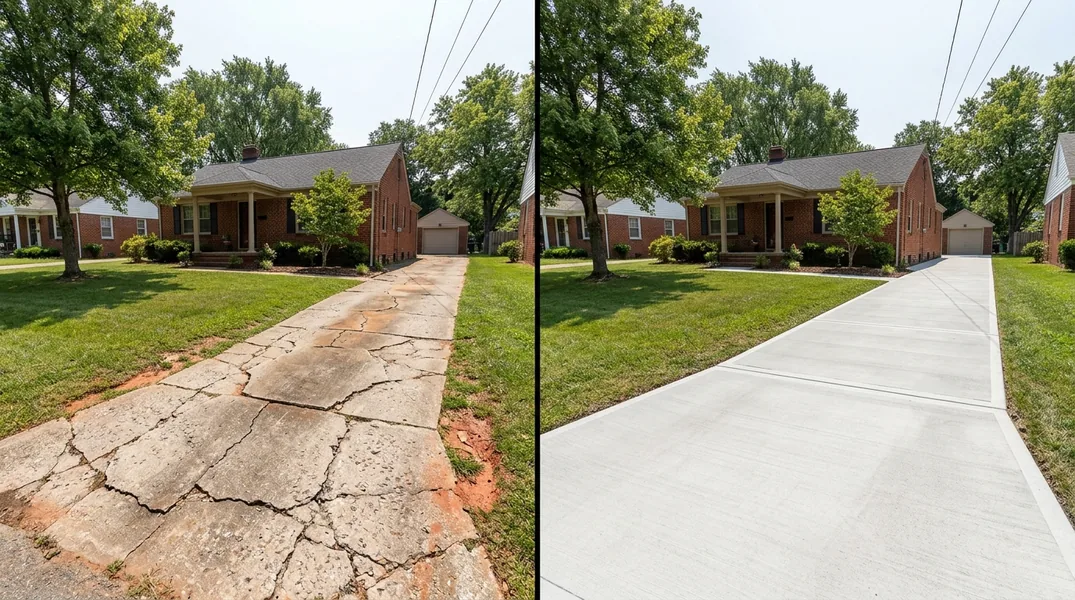
Why Timing Matters: Concrete Pouring Season in Richmond
If you're planning a concrete project in Richmond, you've probably wondered when the best time to start is. The truth is that concrete doesn't care about your schedule, but it absolutely cares about the weather. Temperature, humidity, and moisture levels all play critical roles in how well your concrete cures and how long it will last. Pouring at the wrong time of year can result in weak concrete, surface damage, and costly repairs down the road.
Most homeowners don't realize that concrete is still curing long after the contractor leaves your property. In fact, concrete reaches its full strength over 28 days, and environmental conditions during that window determine whether you end up with a durable surface or a problem project. Concrete Driveways, Concrete Patios, and other outdoor concrete work all depend on ideal weather conditions to develop properly. Understanding when to pour concrete in Virginia is the first step toward a successful installation.
Spring: The Sweet Spot for Concrete Work
Spring, typically from late April through May, is widely considered the ideal season for pouring concrete in Richmond and surrounding areas like Glen Allen. During this period, daytime temperatures hover in the 60s to 70s Fahrenheit, and nighttime temperatures rarely drop below freezing. This moderate range allows concrete to cure at a steady, predictable pace without the stress of extreme temperature swings. The spring season also tends to bring moderate humidity levels, which is crucial because concrete needs moisture to cure properly, but too much moisture can trap air pockets and weaken the final product.
One of the biggest advantages of spring pouring is that you avoid the freeze-thaw cycle that plagues winter projects. When concrete is still curing and temperatures dip below 32 degrees Fahrenheit, water within the concrete can freeze and expand, causing internal damage that may not be visible until months later. Spring also gives your concrete plenty of time to reach full strength before summer heat arrives. If you're considering a spring project, now is the time to contact Richmond Concrete at (804) 885-2499 to schedule your free estimate and get on the calendar before the season gets busy.
Summer Curing: Managing Heat and Humidity Challenges
Summer brings warm temperatures that seem ideal for concrete work, but the reality is more complicated. While concrete does cure faster in heat, rapid curing can actually be a problem. When concrete cures too quickly, the outer surface hardens faster than the interior, trapping moisture inside and creating stress that leads to cracking and surface damage. Additionally, humid summer conditions in Virginia create their own challenges. High humidity slows evaporation, which extends the curing process and can result in a weaker surface. If you must pour concrete during summer months, early morning starts and careful moisture management become essential.
Another summer concern is the intense heat itself. Concrete placed in temperatures above 85 degrees Fahrenheit can suffer from reduced strength and durability. The concrete mix itself becomes more difficult to work with, and contractors must add extra water to keep it workable, which ironically weakens the final product. For Stamped & Decorative Concrete projects, summer heat poses even greater risks because the stamping and finishing work must happen while the concrete is at just the right stage of set, and high temperatures compress that window. If summer is your only option, discuss cooling strategies and timing adjustments with your concrete contractor to minimize these risks.
Cold Weather Concrete in Richmond: Why Winter Is Risky
Winter presents the most challenging conditions for concrete pouring in Virginia. When temperatures drop below 50 degrees Fahrenheit, concrete cures much more slowly, and below 40 degrees, the process nearly stops. More critically, if nighttime temperatures fall below 32 degrees while concrete is still curing, you risk serious damage. Freezing temperatures cause water in the concrete to expand, creating internal stress that weakens the material and leads to cracking, scaling, and spalling. Even if concrete appears solid on the surface, internal freeze damage can compromise its structural integrity for years to come.
Some contractors will attempt winter concrete work using heated enclosures, insulation blankets, and additives designed to accelerate curing in cold weather. While these methods can work, they significantly increase project costs and require careful monitoring. The extended curing time also means your project won't be ready for use as quickly. Unless your situation is truly urgent, waiting for spring is almost always the smarter choice. If you're facing a winter deadline, reach out to Richmond Concrete at (804) 885-2499 to discuss whether your project can be scheduled for a more favorable season or what special measures might be necessary.
Fall: A Secondary Window for Concrete Installation
Fall, particularly September through early October, offers a second-best option for concrete pouring in the Richmond area. Temperatures are moderate, typically in the 60s to 70s Fahrenheit, and the intense summer heat has passed. Humidity levels also tend to normalize compared to summer months. The main advantage of fall work is that you're not racing against an approaching winter, so you have a reasonable window for concrete to cure before cold weather arrives. However, fall does come with its own timing consideration: you need to complete your project early enough that concrete reaches sufficient strength before the first hard freeze.
The challenge with fall is unpredictability. Virginia weather can turn quickly, and an unexpected cold snap or heavy rain can disrupt a curing concrete project. Additionally, as October progresses into November, the risk of frost damage increases significantly. If you're considering fall concrete work, timing is critical. Starting in early September gives you the best chance of completing the curing process before winter weather arrives. Concrete Repair & Resurfacing projects and other concrete work should ideally be completed by mid-October to ensure the concrete has adequate time to develop strength before freezing temperatures return.
Planning Your Concrete Project: What to Do Now
Understanding the best time to pour concrete in Virginia is just the first step. The next step is working with an experienced contractor who understands local weather patterns and knows how to adapt their process to seasonal conditions. Richmond Concrete has served homeowners throughout the Richmond area, including Short Pump and Tuckahoe, and we know exactly what it takes to deliver quality concrete work that lasts. Whether you're planning a spring project or need to work within a specific timeline, discussing your options with a professional contractor ensures you make the best decision for your property.
If you're ready to move forward with your concrete project, don't wait until the last minute. Spring and fall slots fill up quickly, and scheduling early gives you the flexibility to choose the optimal time for your work. Contact Richmond Concrete today at (804) 885-2499 or visit our website to request a free estimate. We'll assess your project, discuss the best timing for your situation, and provide transparent pricing so you can make an informed decision. Quality concrete work starts with proper planning and the right season, and we're here to help you get it right.
Looking for a professional concrete contractor in Richmond? Richmond Concrete responds fast for all your concrete needs.
Get a Free QuoteOur services: Concrete Driveways · Concrete Patios · Stamped & Decorative Concrete